
A Bit of Good Education News
In a positive development, younger teens are less likely to identify as “lesbian, gay, or bisexual in 2026 than they were just a few years ago,” according to new Centers for Disease Control (CDC) data reported by major media, including The Washington Post.
In summarizing the CDC’s 2025 data on the Substack Generation Tech blog, San Diego State University Professor of Psychology, Jean Twenge, explored the question of whether identifying as “lesbian, gay, or bisexual is ‘in free fall’ among young people in the last few years.” She writes that, among 18-24-year-olds, the percentages remain fairly stable, but that declining trends among younger teens up to those about to enter college, are “striking.”
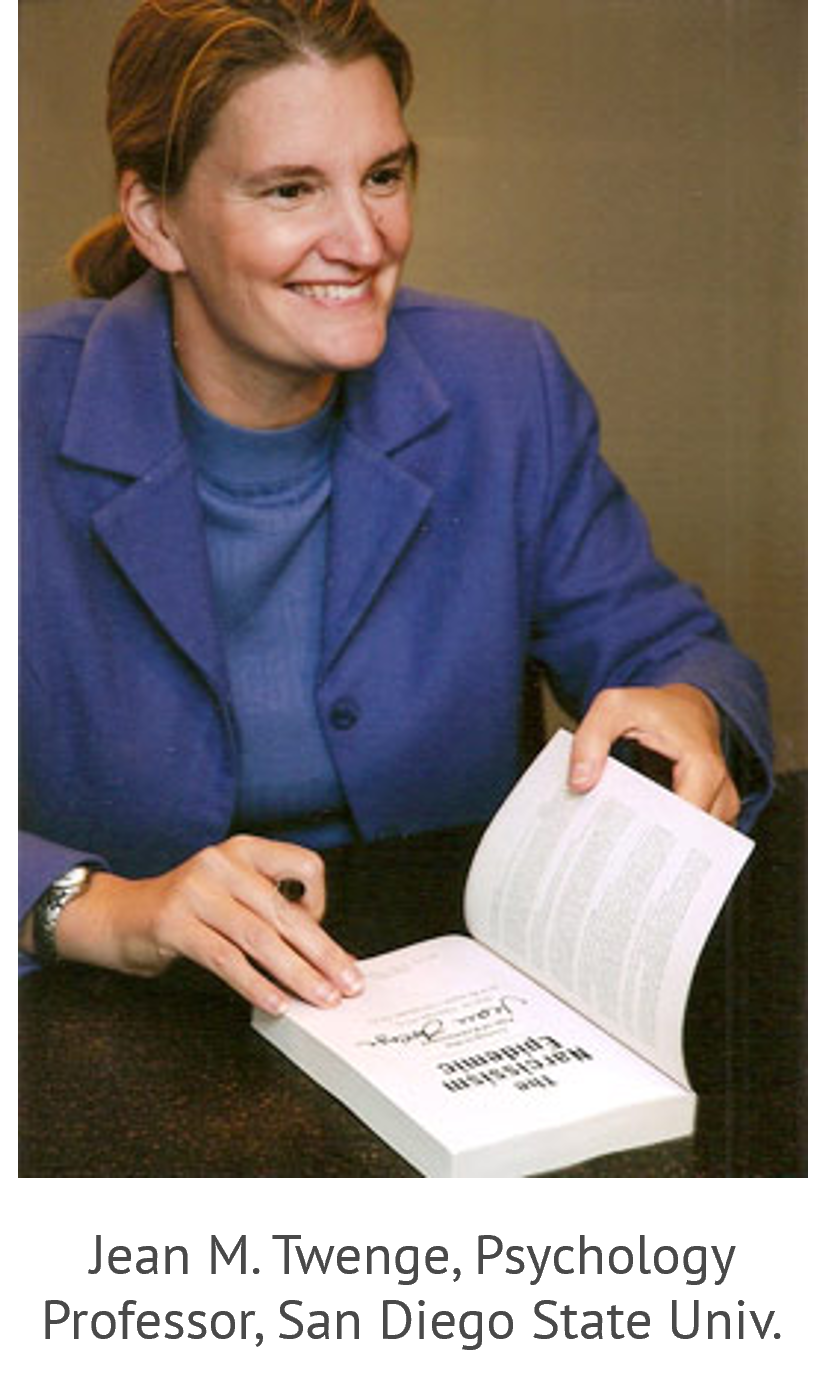 Twenge found most conspicuous the “huge drop in the number of high school freshmen girls who identify as bisexual. While 26 percent of ninth-grade girls identified as bisexual in 2021, only 13 percent — half as many — did in 2025.” The data for boys and older teens did not show any significant changes.
Nonetheless, many conservatives are celebrating Twenge’s findings, giving credit to the Trump Administration for triggering a cultural shift. While this theory may have some plausibility, Twenge noted that “the initial declines began during Joe Biden’s presidency,” and in any case, “a change in administration would not explain why only one sex and/or age group would be affected.”
Some conservatives believe it’s more likely that the overexposure of average people, including teens, to LGBT themes and victimhood has simply worn thin and/or lost its appeal. One subscriber on X observed that maybe people have finally awakened to “what the groomers are doing and want no part of it. Maybe they’re realizing that pushing a queer identity is no identity at all.”
Another commenter observed that young teen girls, who are particularly sensitive to peer pressure and criticism, fear being labeled “privileged, CIS gender, and white.” Identifying as bisexual, lesbian, or transgender is as least temporarily like wearing a badge of honor, until they realize that being true to themselves is more desirable after all.
Declining student populations
While any shift away from sexual deviance is welcome, however narrow the scope, another positive trend is the continuing growth in alternative schooling. The long-standing statistic that nearly 90 percent of American children attend traditional public schools is beginning to topple, as more parents seek alternatives, many as a result of school choice programs available in virtually every state.
Reports published in 2026, such as that of Public School Review and U.S. School Index.org, acknowledge that traditional public schools have lost approximately 1.53 million students since the start of the pandemic. These reports note that “enrollment patterns are shifting, and political debates over curriculum and school choice remain intense,” which is hardly a surprise to the hundreds of thousands of parents who have removed their children from traditional public schools for these very reasons.
Of course, it’s well known that the ongoing decline in the U.S. birth rate is impacting the number of children entering school. New Mexico and Illinois, for example, are two states with the highest projected student declines of 32 percent and 31 percent respectively by 2028. In California, the projected 29 percent drop is likely due at least in part by the exodus of its dissatisfied citizens.
On October 21, The 74 published an article explaining that, not only are traditional public schools losing students, but private school and charter populations are dropping as well. Cara Candal, vice president of policy at ExcelinEd, a think tank founded by former Florida Gov. Jeb Bush, told The 74: “[School] choice cannot be the scapegoat,” in reference to the decline in private and charter school enrollment. “There just aren’t enough kids.”
But allowing for the fact that there are fewer children entering school, which impacts some states more than others, where are the students leaving traditional public schools going if not to private schools or charters?
Microschooling juggernaut rolls on
One answer may lie with the microschooling phenomenon, which continues to grow. The nonprofit organization EdChoice, which has conducted K-12 research for 30 years and is a champion of school choice, reports that as many as “10 percent of school parents are microschooling their kids.”
 Proponents of microschools acknowledge that their numbers are tricky to measure because currently no precise statistics exist on the number of microschools or students. Some estimates show the number of students to be more than 1.5 million. Adding to the confusion, students enrolled in microschools can overlap with those who are homeschooled, since some parents combine both education options for their children.
Perhaps the most precise analyses have been published by the Microschooling Center. Its report shows there are approximately 75,000 microschools operating across the U.S. in 2026, although some estimates indicate as many as 95,000. “Accurate microschool counts are difficult to obtain,” the report states, “in large part because of an absence of generally-accepted definitions. Especially in many states where registration of microschools is not required, and where they do not receive any taxpayer funding, many have limited public visibility for counting purposes.”
While microschools are not perfect, an EdChoice survey shows 76 percent of parents say they are very satisfied with their microschools’ educational opportunities, personalized learning, safety, sense of community, parental involvement, and the fact that their children actually want to go to school.
An organization called ECOLE Schools published 2026 statistics showing that “81 percent of microschools reported between one and two years of academic gains within a single school year.” It’s worth noting, however, that less than 30 percent of microschools issue letter grades, while 70 percent rely on “mastery evidence, portfolios and conferences” for assessing student progress.
Schools as small businesses?
Most microschools are run like a combination of school and small business. In November 2023, Education Reporter described several types of microschool companies operating as both official schools and for-profit businesses. These schools, as with most microschools, were founded by educators or those with experience in the education field.
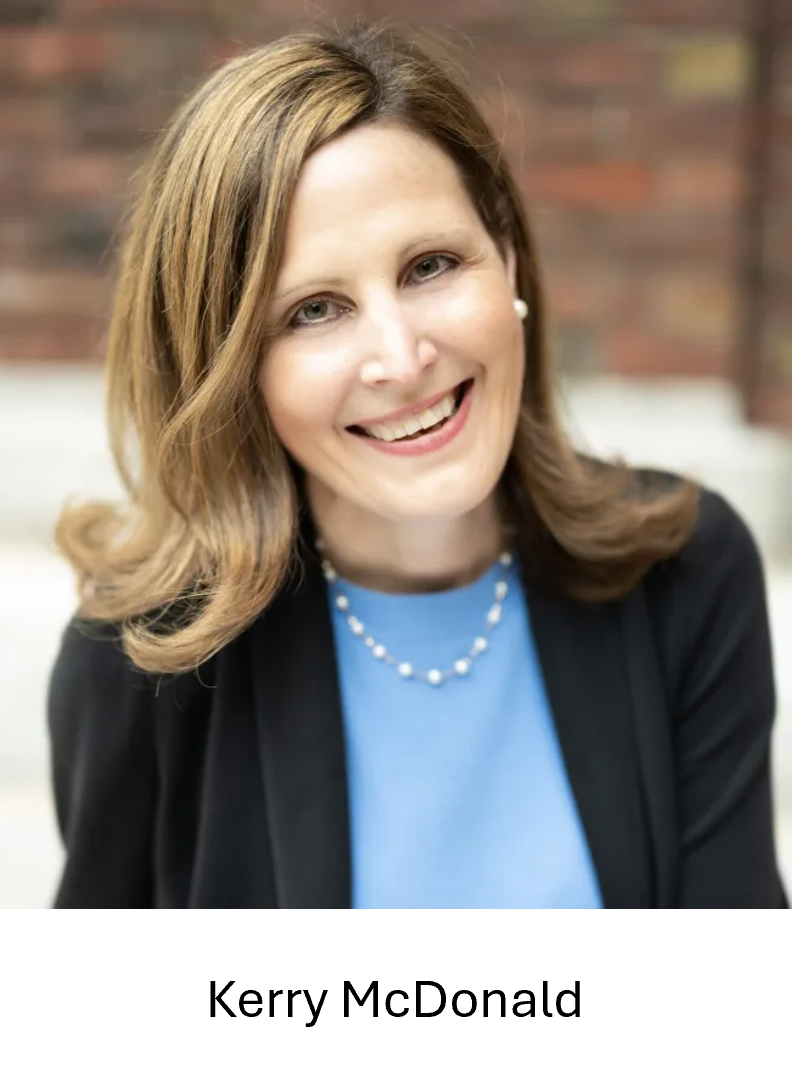
In early October, Foundation for Economic Education (FEE) Senior Fellow, Kerry McDonald, referenced an article by ProPublica that lamented about how easy it is to found a private school, at least in the three states the authors selected as examples: Arkansas, North Carolina, and West Virginia. The authors emphasized that they are “reporters, not teachers,” which didn’t stop them from registering a website and going so far as to be on the verge of enrolling students in each of the three states, reportedly with little effort.
The authors found to their chagrin that the process of founding private schools is “easy,” and that “opening microschools, which are proliferating nationwide, offer an even easier route.” But FEE’s McDonald disagrees, as she explained in a recent email to her subscribers:
- In America, it should be easy to start a small business, regardless of the sector. What is much more difficult—and what the reporters did not attempt—is to create a product or service (including a school) that actually attracts and retains customers.... Voluntary exchange in a free market means that some enterprises will succeed while others will fail based on how well they satisfy their customers.
To date, microschooling parents seem highly satisfied. As one source explained: “Microschools have become a permanent and rapidly expanding part of American K-12 education. They emphasize small cohorts, individualized learning, and flexible instructional models. Growth has been driven by parent demand for personalization, state school choice policies, and the post pandemic shift toward decentralized education.”
McDonald couldn’t agree more. “I’m glad the ProPublica reporters found it easy to start a school. It should be made even easier to open and operate one.” [Emphasis in original.] She adds: “The tough part isn’t the paperwork,” but creating the kind of school parents want their kids to attend. And as the U.S. public school system is discovering, “there’s nothing easy about that.”
Want to be notified of new
Education Reporter content?
Your information will NOT be sold or shared and will ONLY be used to notify you of new content.
Click Here
Return to Home Page